




In the biopharmaceutical sector, time-to-market is everything. Every month of delayed production means lost revenue on high-value biologics and vaccines. Engineering contractors are increasingly turning to prefabricated cleanroom sandwich panel systems to compress construction schedules without cutting corners on GMP compliance. These factory-engineered building components are transforming how pharma clean rooms get built around the world.
Traditional cleanroom construction relies on multiple trades working sequentially: framers, insulators, cladders, and finishers. Each handoff introduces delays and quality inconsistencies. Prefabricated sandwich panels integrate the structural frame, insulation core, and finished surfaces into a single component manufactured under controlled factory conditions.
When panels arrive on site, installation becomes a straightforward assembly operation. A crew of four to six installers can erect 80 to 120 square meters of cleanroom wall per day using cam-lock or tongue-and-groose joining systems. This rate is two to three times faster than conventional block-and-plaster construction.
The speed advantage extends to ceiling systems as well. Pre-asminated ceiling grids with integrated lighting and HEPA filter mounting frames allow contractors to close in the cleanroom envelope in a matter of days rather than weeks. For modular clean room construction projects, this rapid enclosure is critical for protecting downstream equipment installation from weather damage.
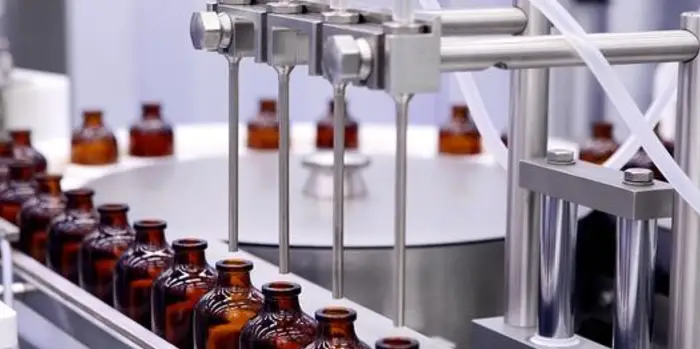
One of the most overlooked schedule benefits of prefabricated panels is their impact on GMP validation timelines. Factory-produced panels deliver consistent surface quality, uniform joint widths, and predictable outgassing characteristics. This consistency reduces the number of validation failures and rework cycles that typically plague traditional construction approaches.
Leading sandwich panel manufacturers now provide full material traceability packages with every shipment, including chemical composition certificates, fire ratings, and particle emission test data. Having this documentation ready at commissioning time accelerates the IQ/OQ/PQ protocol sequence by weeks.
For projects requiring GMP clean room panels with specific chemical resistance, such as those used in aseptic fill-finish suites, specifying panels with factory-applied HPL or PVC coatings eliminates the need for on-site surface treatment. The coating is cured under controlled conditions, ensuring adhesion quality that field-applied alternatives simply cannot match.
A recent 5,000 square meter biopharma facility in Southeast Asia demonstrated the power of this approach. The original construction plan called for 14 months using conventional methods. By switching to a fully prefabricated panel system, the project team achieved substantial completion in just 8.5 months, a 39% reduction.
The schedule savings came from three sources: parallel fabrication of panels while site preparation was underway, rapid on-site assembly that eliminated weather-related delays, and reduced validation rework thanks to consistent panel quality. The project owner estimated that early production start generated an additional $12 million in first-year revenue.
For engineering contractors looking to win more biopharma work, mastering prefabricated panel construction is becoming a competitive necessity. The clients who award these projects, major pharmaceutical developers, increasingly expect aggressive timelines and view schedule compression as a key differentiator when selecting clean room contractors.