




Manufacturers of precision optical elements, measurement instruments, and laser systems operate in environments where even sub-micron particles can render products unusable. The cleanrooms serving these industries demand enclosure systems that actively contribute to contamination control rather than simply containing the classified space. For project managers and engineering leads, understanding how panel and ceiling choices affect particle performance is essential for delivering facilities that meet specification.
The clean room ceiling panel serves a dual function in precision instruments cleanrooms: it defines the physical boundary of the classified space while forming part of the supply air plenum that delivers filtered air to the work zone. Panel surfaces must be manufactured to extremely tight smoothness specifications, typically requiring Ra values below 0.8 micrometers to prevent particle adhesion and facilitate effective cleaning. The cleanroom wall panel systems designed for these applications feature electrostatically dissipative surface coatings that prevent attractive forces from pulling airborne particles onto wall surfaces. clean room glass partition wall assemblies provide visual transparency for process monitoring while maintaining the same particle control performance as opaque panels, using tempered glass layers bonded within the panel frame to prevent outgassing and delamination. Every penetration through the panel envelope, whether for electrical conduits, gas lines, or instrumentation feeds, must be sealed with gasket systems that match the panel surface performance.
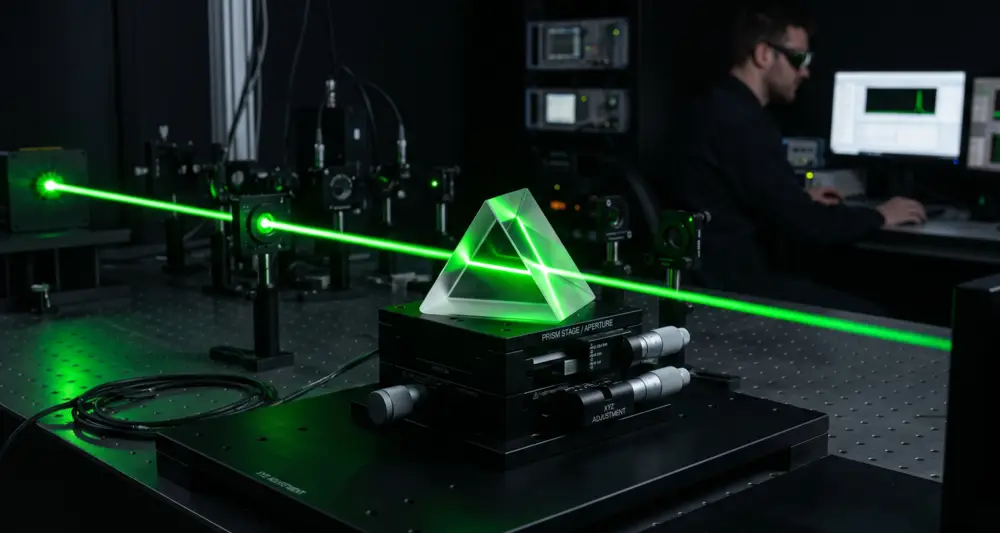
The ceiling system in a precision instruments cleanroom typically houses 80 to 100 percent of the filter coverage, creating unidirectional downward airflow across the entire work area. cleanroom ceiling tiles used in these systems must be designed for minimal particle generation during installation, maintenance, and normal thermal cycling. Gel-sealed filter frames mounted in precision-machined ceiling panel openings create airtight connections that prevent unfiltered air bypass. The clean room aluminum profile framework supporting ceiling panels must provide exact leveling and height adjustment capabilities, as even minor ceiling slope variations can create airflow patterns that concentrate particles in critical work zones. Integration of clean room HEPA filters within the ceiling panel system requires careful coordination of filter placement, fan power, and return air paths to maintain uniform velocity across the work plane.
Initial cleanroom qualification is only the beginning of the contamination control challenge. Precision instruments manufacturers must maintain performance over decades of operation with continuous production schedules. Panel systems designed for easy decontamination, component replacement, and requalification reduce the total cost of ownership while ensuring consistent product quality. Facilities that invest in high-performance enclosure systems from the outset consistently achieve better audit outcomes, lower rejection rates, and reduced downtime for environmental recovery after maintenance interventions.