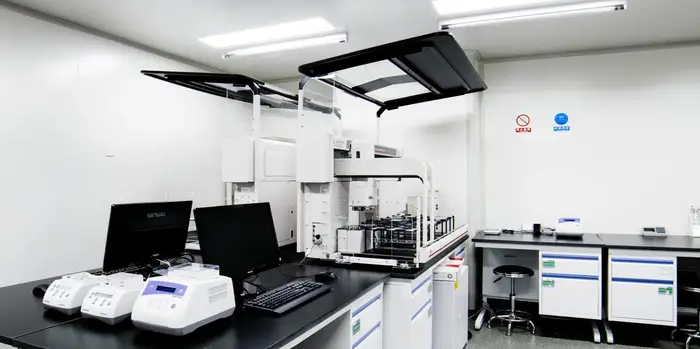



Pharmaceutical cleanrooms consume up to 40% more energy than standard lab facilities—mostly due to outdated envelope systems and inefficient air handling. The shift starts at the walls and ceiling. Modern modular clean room panels deliver superior thermal resistance (U-values as low as 0.22 W/m²K), reducing HVAC load without compromising ISO 5–8 compliance. Unlike traditional stick-built assemblies, these panels integrate vapor barriers, fire-rated cores, and seamless gasketed joints in one factory-finished unit—cutting air leakage by over 65%. Paired with a precision-engineered cleanroom ceiling grid system, they support uniform FFU distribution and simplify maintenance access. Notably, the FFU T grid design allows rapid filter replacement and real-time airflow calibration—no scaffolding, no downtime. For fast-track projects, modular laboratory buildings now ship with pre-wired, pre-pressurized zones—cutting commissioning time by 30% and eliminating field-installed thermal bridges.
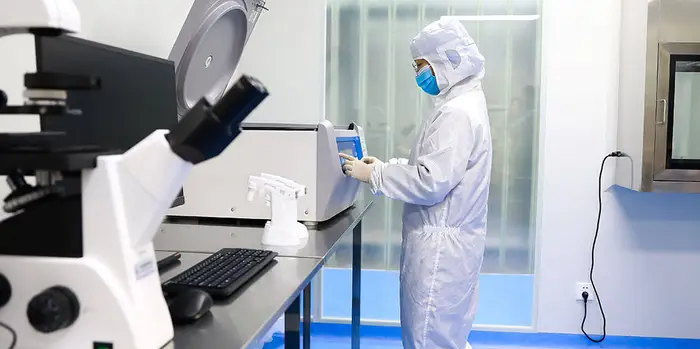
Energy savings aren’t just about insulation—they’re about coordination. A high-performance cleanroom panel loses value if paired with an oversized AHU or inconsistent pressure staging. Leading facilities now deploy integrated control logic that links room sensors, VFD-driven fans, and demand-based lighting directly to the ceiling grid’s structural intelligence. This means the cleanroom ceiling grid system isn’t just passive infrastructure—it hosts communication nodes, power rails, and even embedded CO₂ and particle monitors. When combined with FFU T grid compatibility, operators gain granular zone-level control: ramping down non-critical areas during off-shifts, adjusting airflow based on occupancy, or triggering alarms before particulate excursions occur. For engineering teams sourcing turnkey solutions, this level of interoperability starts with specifying modular clean room panels designed for digital readiness—not retrofitting. The result? Up to 35% lower annual energy use, faster validation cycles, and future-ready scalability—without redesigning your entire facility footprint.