




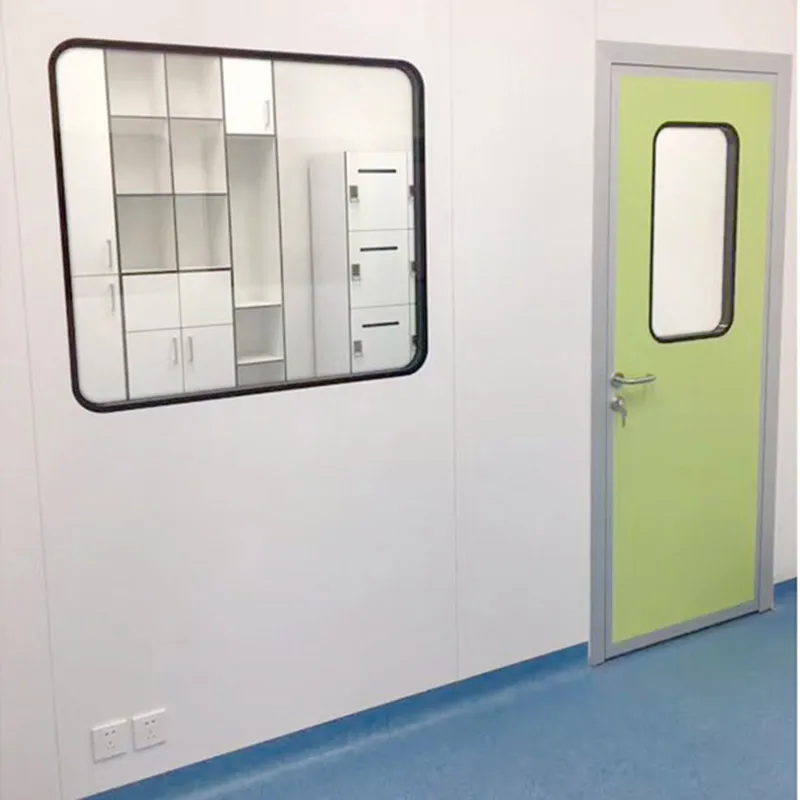
Clean room HPL door consists of a door panel made of HPL sandwich panels and an aluminum frame. Because HPL board has the characteristics of corrosion resistance, impact resistance, high temperature resistance and low temperature resistance, it is mainly used in pharmaceutical industry factories an
hpl cleanroom door, HPL cleanroom doors, HPL cleanroom doors Design, HPL cleanroom doors Factory, HPL cleanroom panel, hpl cleanroom panels, hpl cleanroom wall, HPL door, HPL door Design, HPL door Factory, hpl door of clean room, HPL door of cleanroom, hpl door price, HPL door supplier
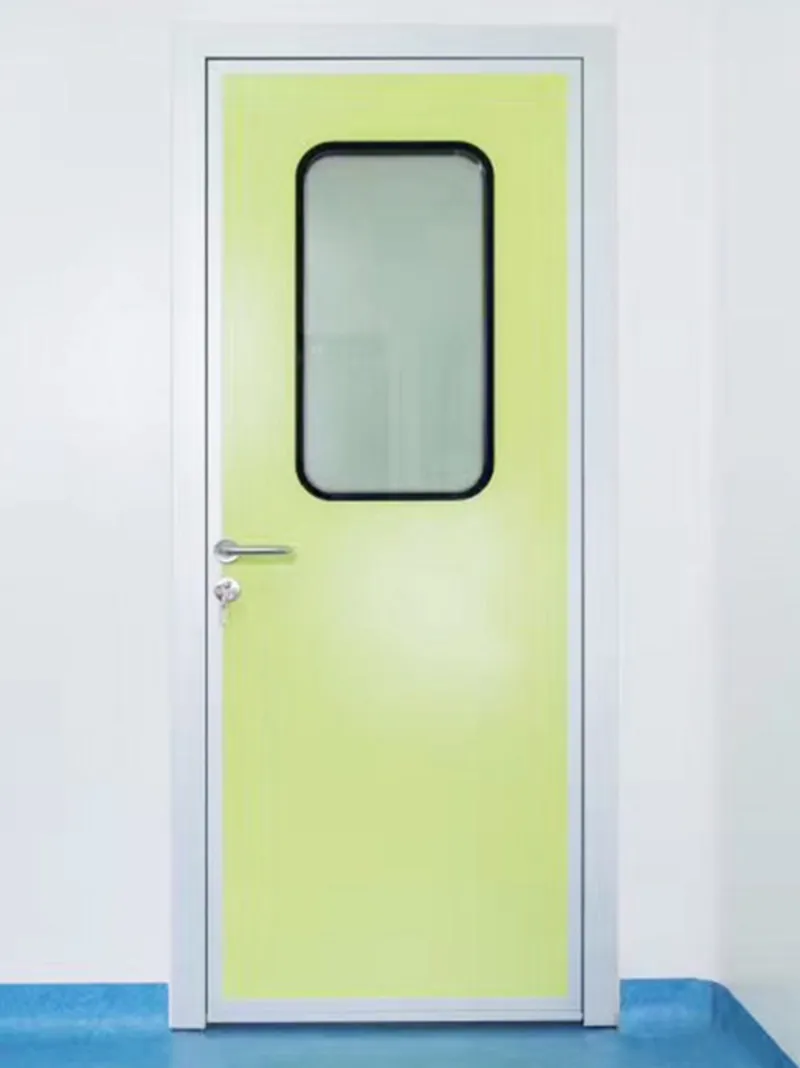
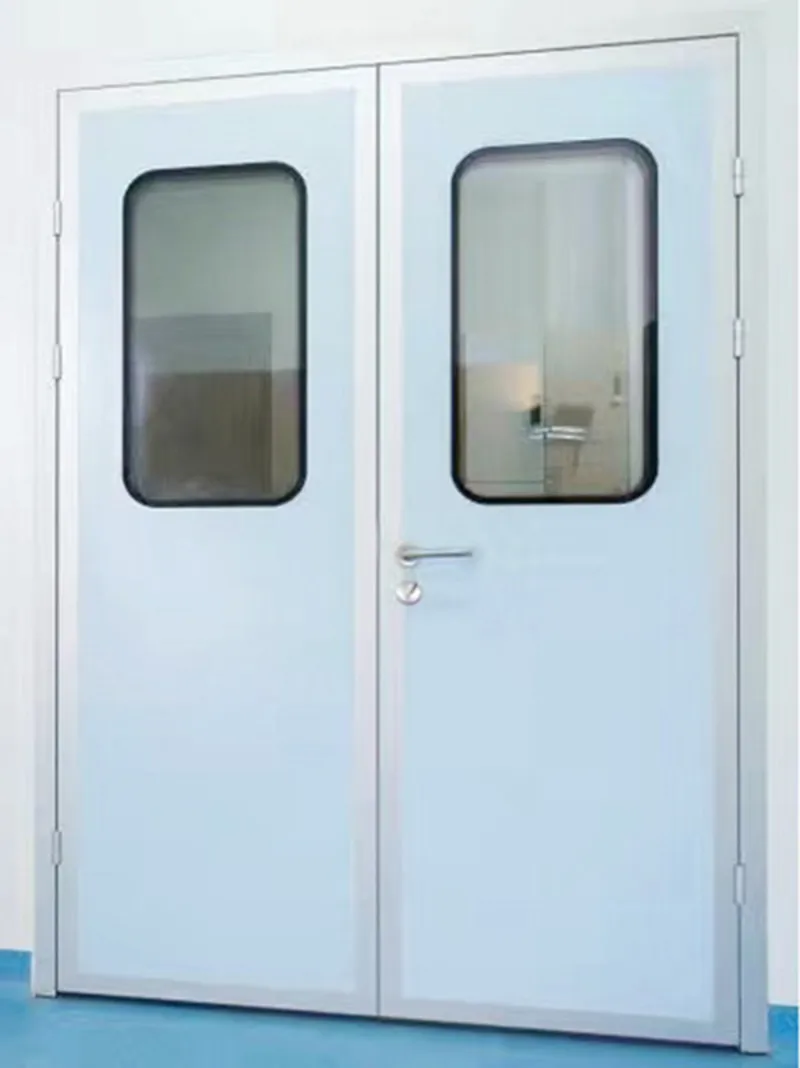
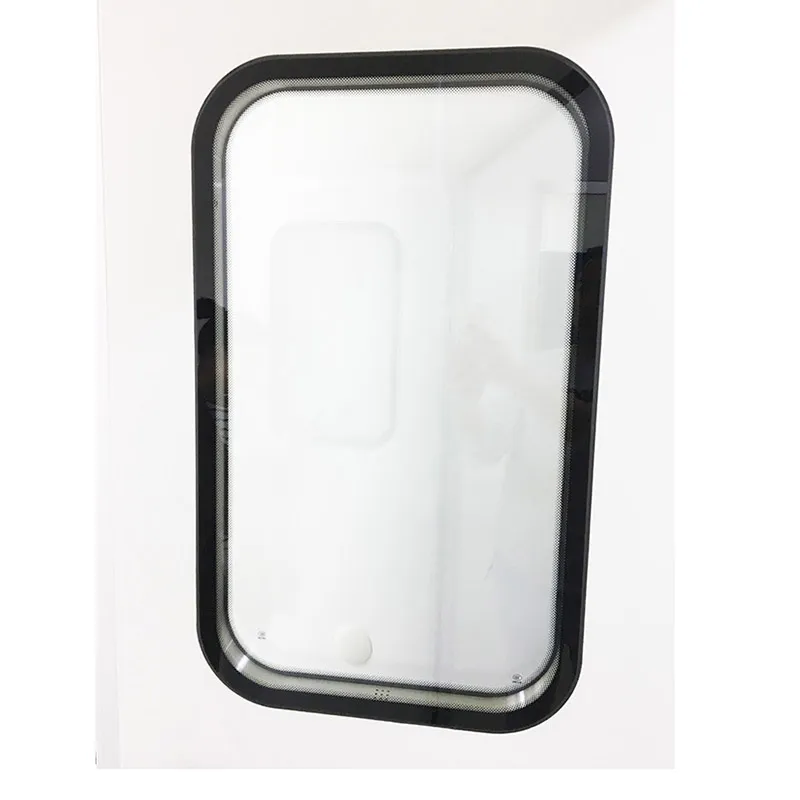
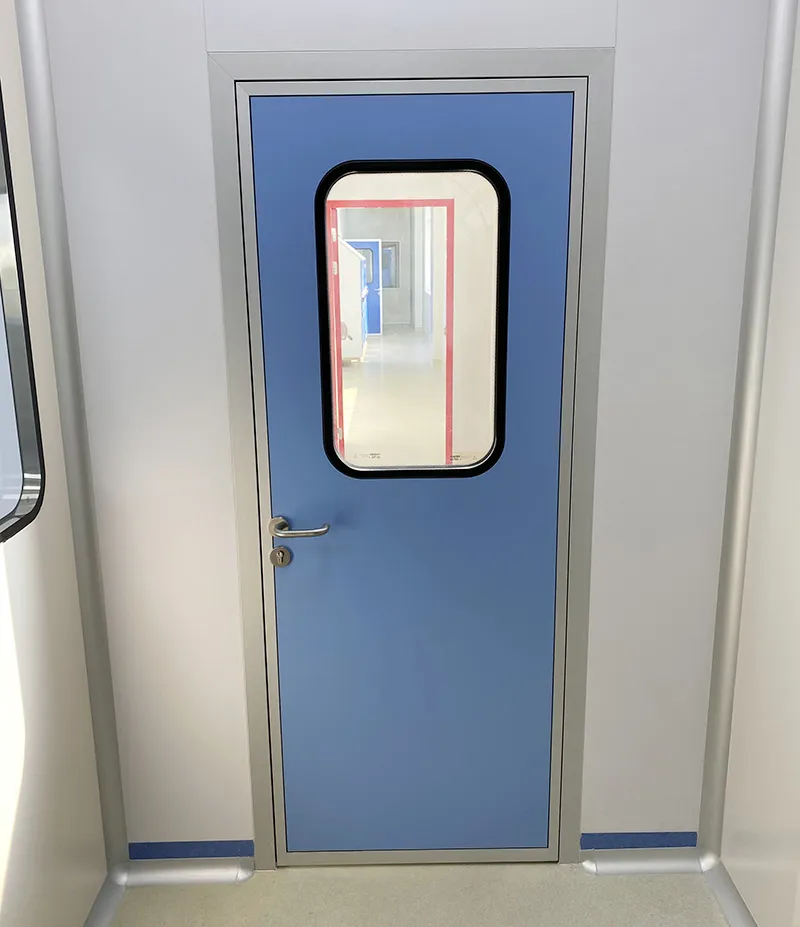
With over two decades of hands-on experience designing, specifying, and commissioning cleanroom solutions across semiconductor fabs, biologics manufacturing suites, aerospace assembly bays, and high-precision optical labs, I’ve seen how a single component—like the Spain prefabricated cleanrooms—can make or break system integrity. Among all interfaces, the door is the most dynamic: it’s cycled daily, subjected to pressure differentials, cleaned repeatedly, and must seal reliably without compromising ergonomics or compliance. That’s why our hpl cleanroom door isn’t just another HPL door—it’s a purpose-built interface engineered for real-world operational rigor.
This HPL cleanroom doors series integrates seamlessly with Spain modular cleanroom systems, delivering consistent surface performance, dimensional stability, and chemical resistance where it matters most. Whether you’re validating a Grade A isolator in a vaccine fill-finish line or installing ISO Class 5 access points in an EV battery R&D lab, the HPL cleanroom doors Design prioritizes function-first geometry: flush-mounted hardware, zero-profile thresholds, electrostatic-dissipative (ESD) options, and optional automatic actuators—all without sacrificing cleanability or structural fidelity. Manufactured in our dedicated HPL cleanroom doors Factory, each unit undergoes full traceability, surface finish verification (Ra ≤ 0.8 µm), and pre-commissioned gasket compression testing. As a direct HPL door supplier, we eliminate intermediaries—so you get transparency on hpl door price, lead time, and material certifications—not brochures.
| Parameter | Specification |
|---|---|
| Core Material | High-density HPL cleanroom panel (13–18 mm) bonded to aluminum honeycomb or steel-reinforced substrate |
| Surface Finish | Phenolic HPL (EN 438-3), Class E0 formaldehyde emission, anti-microbial additive option (ISO 22196) |
| Fire Rating | BS 476 Part 7 Class 1 / ASTM E84 Class A (surface burning) |
| Sealing System | Triple-lip silicone gasket (IP54-rated), adjustable compression, tested at ±125 Pa differential |
| Frame Construction | 304 stainless steel or anodized aluminum (powder-coated per RAL 9005 or custom) |
| Standard Sizes | 800–1200 mm (W) × 2000–2400 mm (H); custom dimensions up to 1500 × 2700 mm supported |
| Hardware Options | Touchless IR sensor, push-to-exit, break-glass override, ESD-rated handles (10⁶–10⁹ Ω), cleanroom-certified hinges |
| Compliance | ISO 14644-1 (Class 3–8), USP <797>/<800>, GMP Annex 1 (2022), SEMI F21-0218 |
In semiconductor & electronics manufacturing, particle control is non-negotiable. Our HPL door of cleanroom eliminates micro-crevices where silicon dust accumulates—critical near lithography tools or wafer sort areas. The smooth, non-porous hpl cleanroom wall interface ensures no delamination under repeated IPA wipe-downs. For biopharma & life sciences clients, the HPL cleanroom panel’s low-VOC off-gassing and validated cleanability support ISO Class 5 aseptic corridors and cell therapy suites. We’ve supplied hpl cleanroom panels for Spain-based CAR-T production facilities where door surface bioburden must remain <1 CFU/25 cm² post-disinfection.
Aerospace & precision optics demand thermal and dimensional stability—especially around interferometer rooms or clean assembly jigs. Our HPL door Design uses thermally broken frames and low-expansion substrates to avoid warping at 20±0.5°C ambient control. In food & beverage pilot plants, the HPL door Factory applies food-grade phenolic laminates compliant with EU 10/2011 and FDA 21 CFR 177.1560—no adhesives exposed, no edge swelling after steam cleaning. For automotive EV battery labs, ESD-safe variants (HPL door with 10⁷ Ω surface resistivity) prevent electrostatic discharge during cathode slurry handling. And in datacenter cold aisles or hydrogen fuel cell R&D, fire-rated versions meet local authority requirements while maintaining airflow integrity—no compromise on HPL door of clean room functionality.
Whether you're evaluating a full Spain prefabricated cleanrooms package or upgrading one access point in an existing Spain modular cleanroom systems installation, our HPL doors are designed for interoperability—not isolation. We provide full BIM families (Revit), pressure-drop simulation data, and on-site commissioning support—not just delivery. As your HPL door supplier, we stand behind every hpl door of clean room: from specification to validation. Need a quote? Ask about hpl door price tiers for standard vs. ESD/fire-rated configurations—or request a sample panel for your QA team’s surface testing protocol. This isn’t just a door. It’s your first line of controlled environment assurance.
Contact us today for a free quote.