




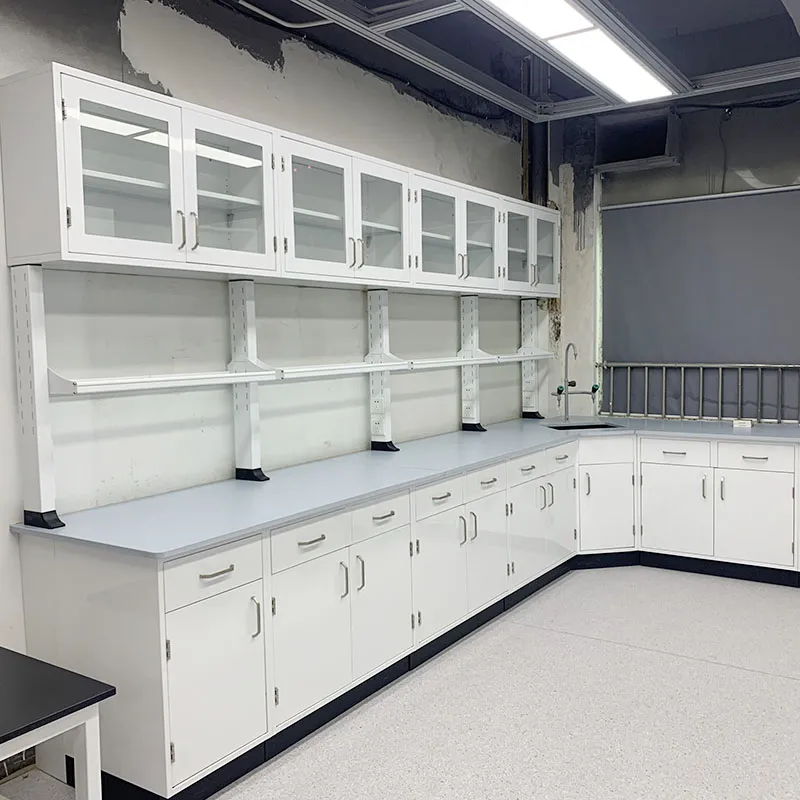
The laboratory table is the main component of the laboratory furniture, the main functional area of the laboratory, and the main working position of the laboratory personnel. Its quality and durability may directly affect the state of laboratory operations...
chemistry lab furniture chemistry lab furniture design steel lab furniture chemistry lab furniture chemistry lab furniture design steel lab furniture chemistry lab furniture chemistry lab furniture
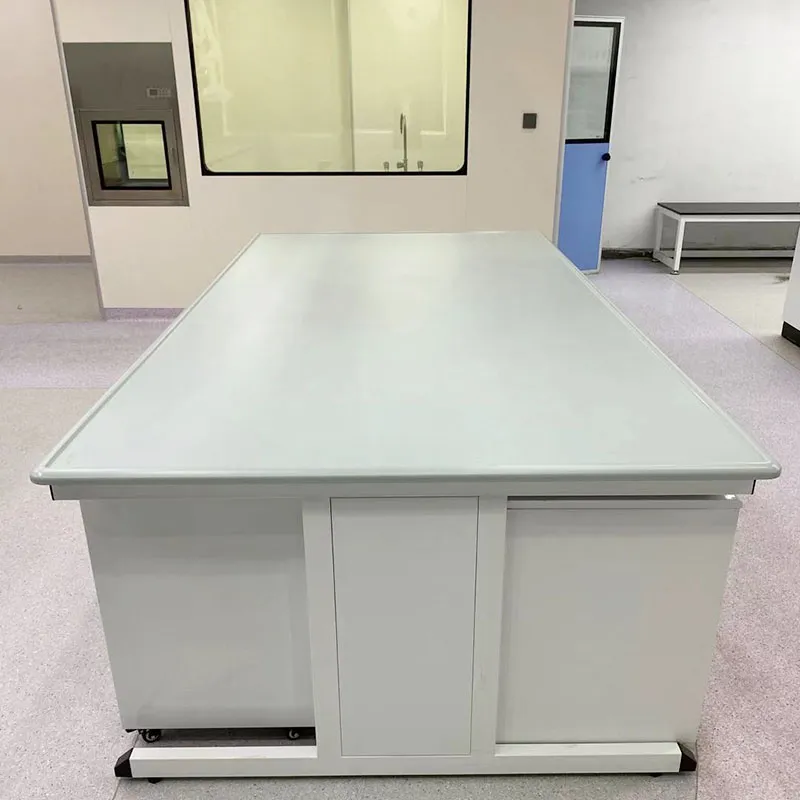
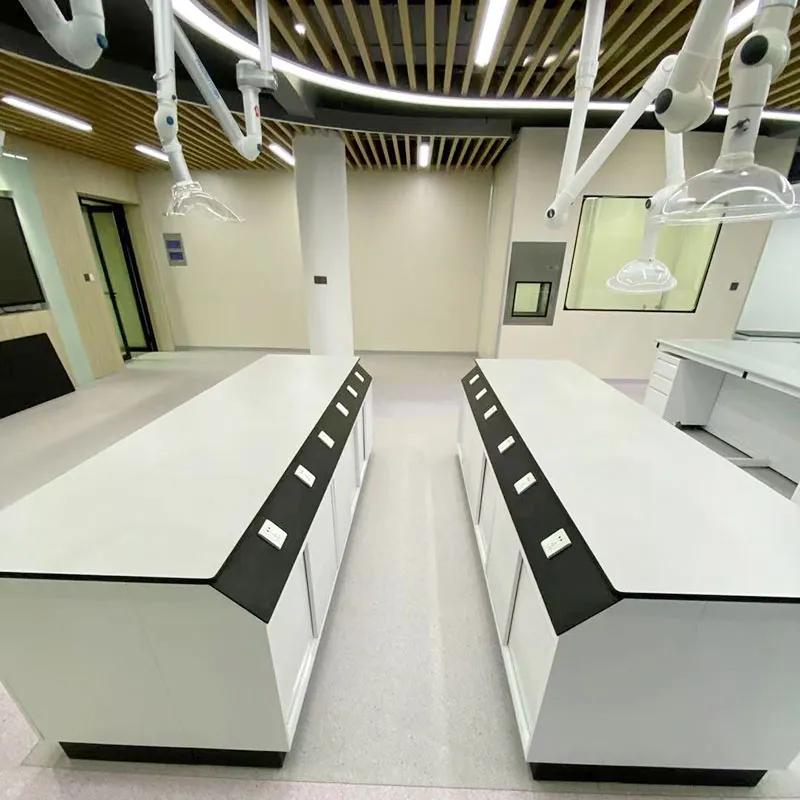
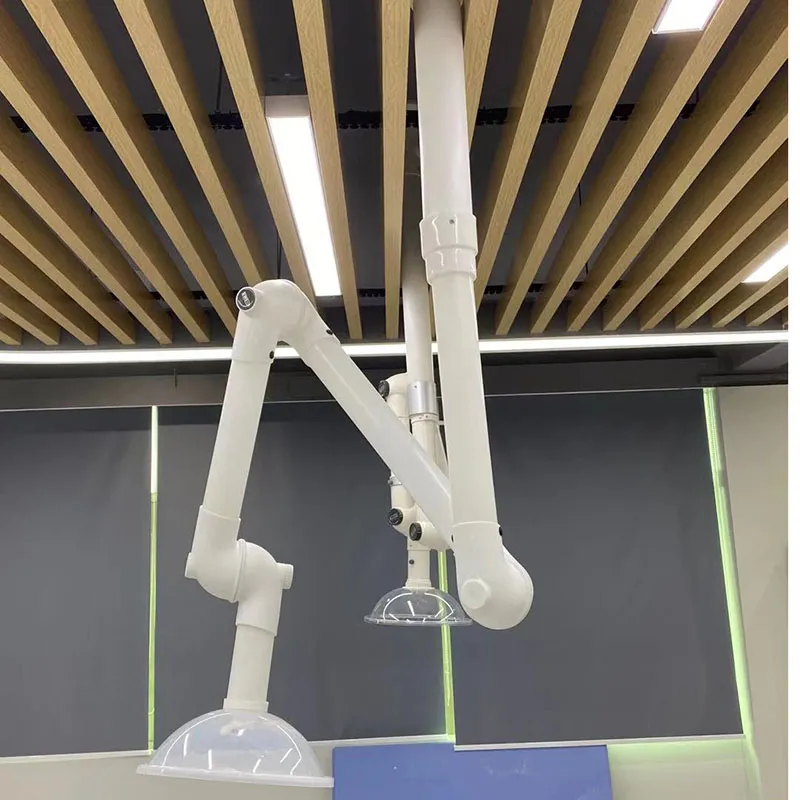
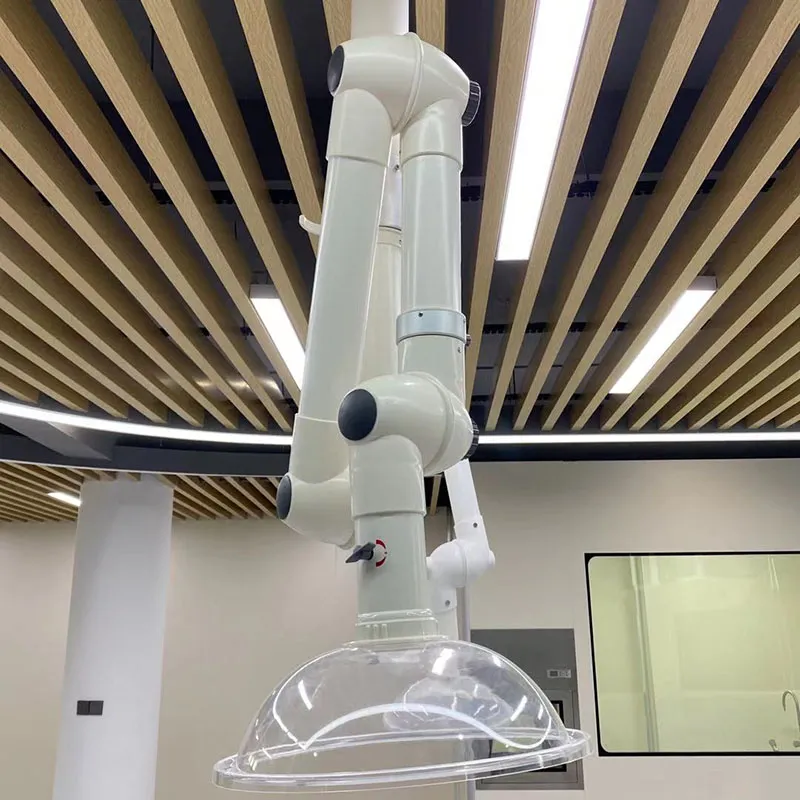
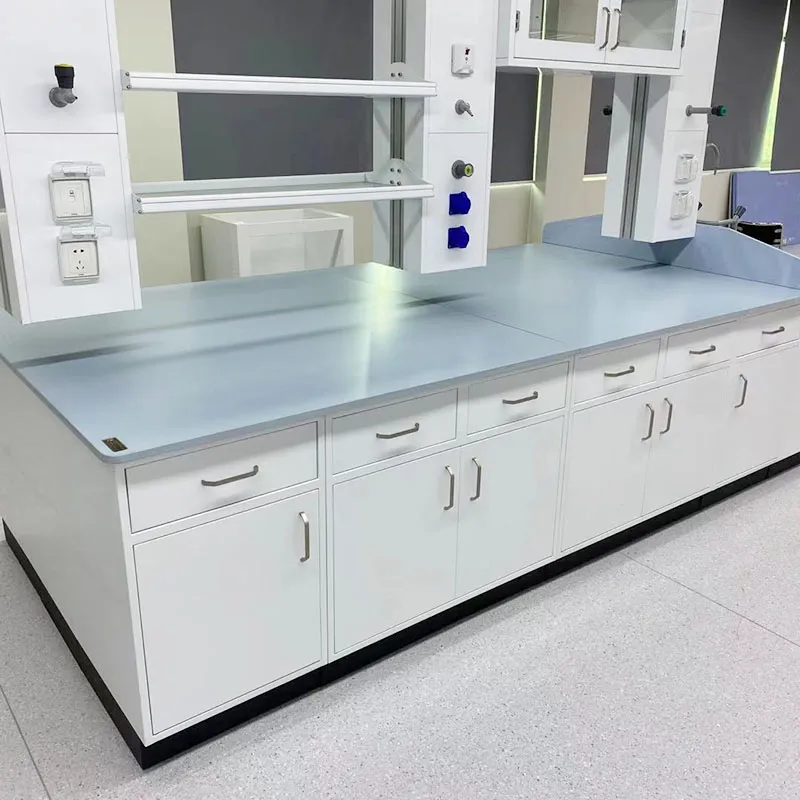
Designed for rigorous operational environments across semiconductor fabrication, biopharmaceutical R&D, aerospace component testing, precision optics assembly, food safety validation labs, automotive electronics development, hyperscale data center support facilities, and next-generation battery research, steel chemistry lab furniture delivers structural integrity, chemical resistance, and long-term dimensional stability where contamination control and process reliability are non-negotiable. Unlike standard laboratory furnishings, this product line is engineered to integrate seamlessly within controlled environments—complementing Spain prefabricated cleanrooms, interfacing with clean room ceiling panel systems, and supporting strict material compatibility requirements in ISO Class 5–8 spaces. It serves as a foundational element—not an afterthought—for engineering teams specifying full cleanroom solutions, whether sourcing a cleanroom manufacturer or evaluating a cleanroom supplier.
Each unit meets ASTM F2275 (chemical resistance), ISO 14644-1 (particulate control compatibility), and EN 14727 (structural load rating) benchmarks. Surface finishes resist hydrochloric acid (10%), sodium hydroxide (10%), acetone, IPA, and common peroxide-based sterilants—critical for chemical lab furniture deployed in wafer fab QC labs, cell culture support suites, or EV battery electrolyte handling zones. Modular anchoring allows secure fastening to raised floors or epoxy-coated slabs without compromising cleanroom partition integrity or airflow uniformity beneath work surfaces.
| Parameter | Specification |
|---|---|
| Frame Material | Electropolished 316L stainless steel (ASTM A240), passivated per AMS 2700B |
| Work Surface Thickness | 25 mm phenolic resin (HPL) or 30 mm epoxy resin; both certified to ANSI/HPVA HP-1 for chemical exposure |
| Load Capacity | Uniformly distributed: 250 kg/m²; point load (center): 120 kg (per EN 14727 Class B) |
| Height Adjustment Range | 720–880 mm (motorized or manual options); ±0.5 mm repeatability |
| Surface Finish | Matte non-reflective; Ra ≤ 0.8 µm; no particulate-shedding texture |
| Chemical Resistance | Passes 72-hr immersion test per ASTM D543 for HCl, NaOH, HNO₃, CH₃COOH, ethanol, IPA, and 3% H₂O₂ |
| Cleanroom Compatibility | No silicone, no PVC, no painted components; joints sealed with FDA-grade EPDM gaskets |
| Electrostatic Dissipation | Surface resistivity: 1 × 10⁶ – 1 × 10⁹ Ω/sq (EN 61340-5-1 compliant) |
This furniture system is dimensionally coordinated with standardized cleanroom partition module widths (600 mm, 1200 mm, 1800 mm), enabling flush-mount installation alongside wall-mounted utilities, gas panels, and FFU-integrated ceiling grids. Legs incorporate integrated cable management pathways that align with floor service trenches in cleanroom manufacturer-supplied modules—eliminating field-cutting or airflow obstruction behind base cabinets. Sink-integrated units (chemistry lab table with sink) feature NSF-certified stainless steel basins with zero-radius corners and welded drain assemblies, compatible with clean-in-place (CIP) protocols used in biotech and food-grade applications. All mounting hardware is stainless steel and torx-driven to prevent tool-induced surface damage during reconfiguration—a necessity in dynamic R&D or pilot-line settings.
Configuration follows functional hierarchy—not aesthetics. In semiconductor front-end fabs, chemistry lab benches deploy with under-bench acid waste neutralization modules and dedicated argon purge ports, while maintaining ESD-safe grounding continuity across the entire structure. For biologics process development, chemistry laboratory furniture includes laminar airflow-compatible backsplashes, integrated UV-C lamp housings, and removable drip trays for autoclave validation. Aerospace composites labs require vibration-damped feet and extended depth surfaces (900 mm) for large-scale optical alignment fixtures. Each variant retains identical core materials and tolerances—ensuring consistent performance whether specified as chemistry lab cabinets, chemistry laboratory table, or chemistry lab furniture design for multi-user shared cleanrooms. The laboratory cabinet series offers interchangeable drawer inserts (stainless mesh, polypropylene liners, fire-rated compartments), supporting evolving regulatory needs across Spain’s growing medical device manufacturing sector.
Contact us today for a free quote.