




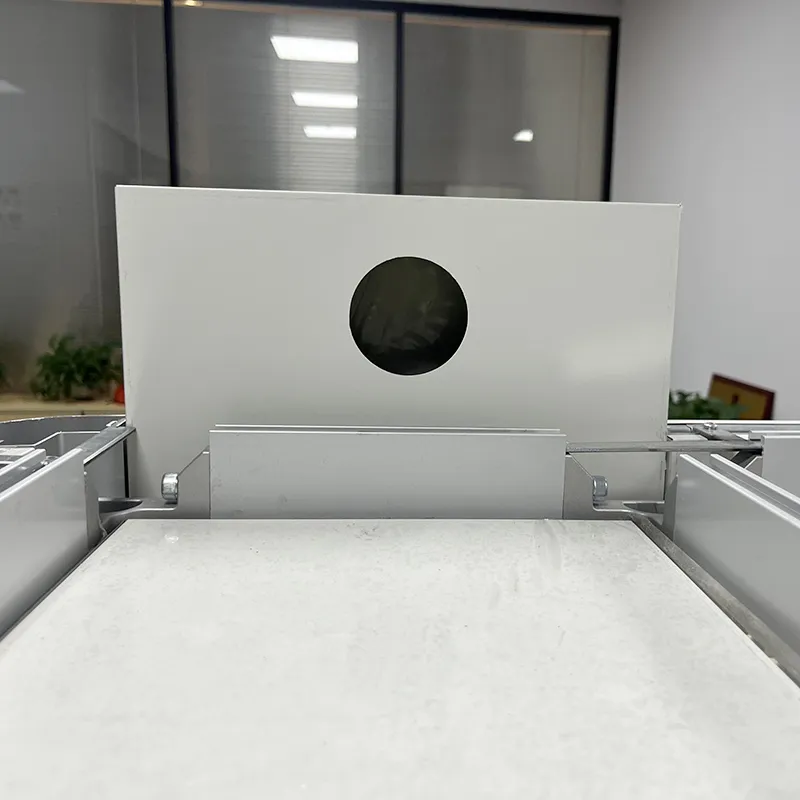
In order to quickly and effectively remove indoor dust particles, the return air outlet of the clean workshop should be located in the lower part of the room so that the direction of air flow is consistent with the direction of dust particle settlement....
fachada ventilada panel sandwich sandwich panels ventilation
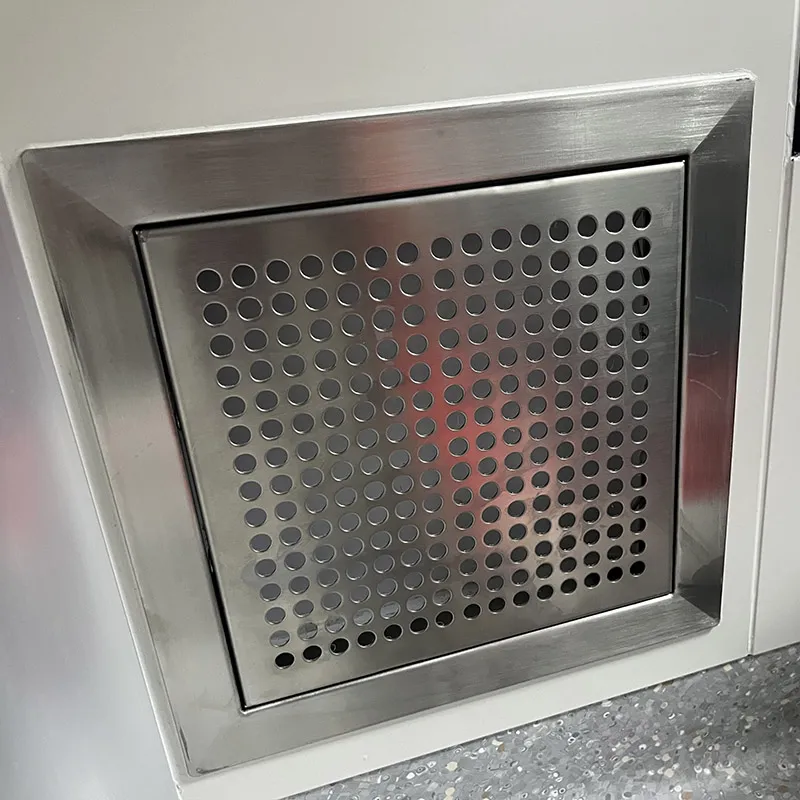
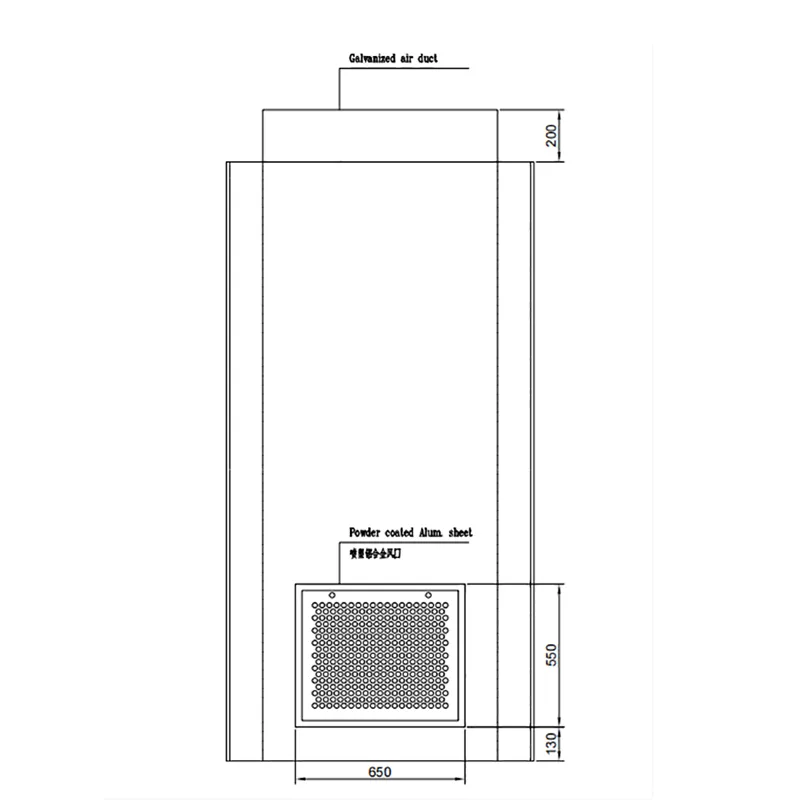
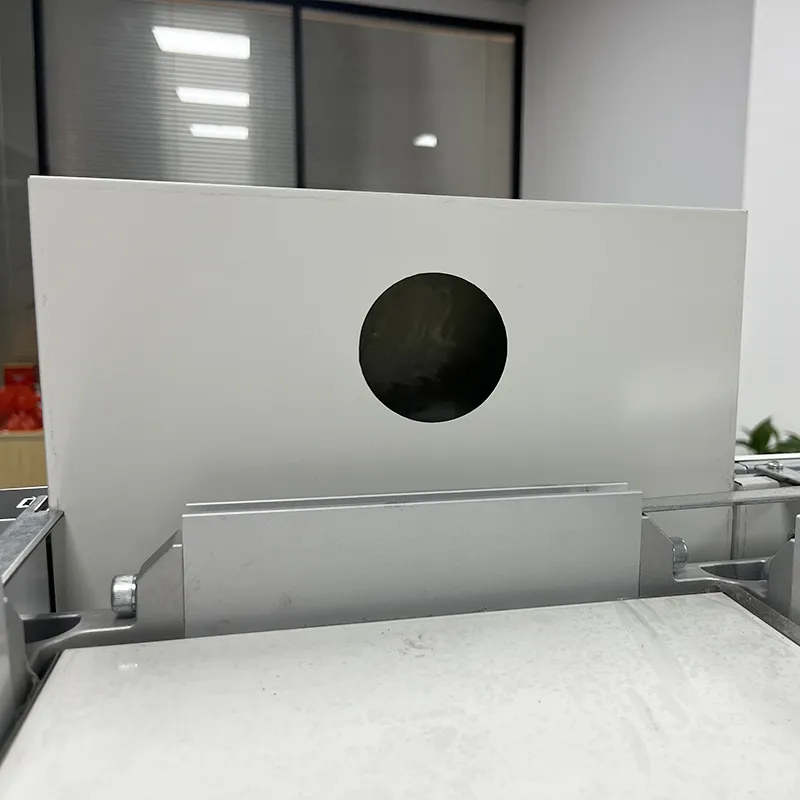
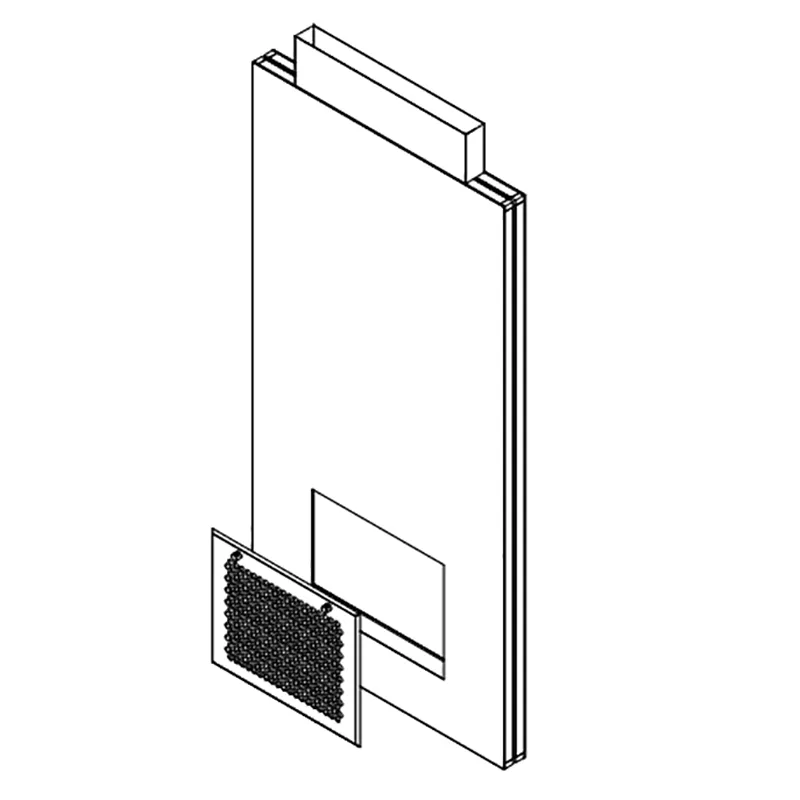
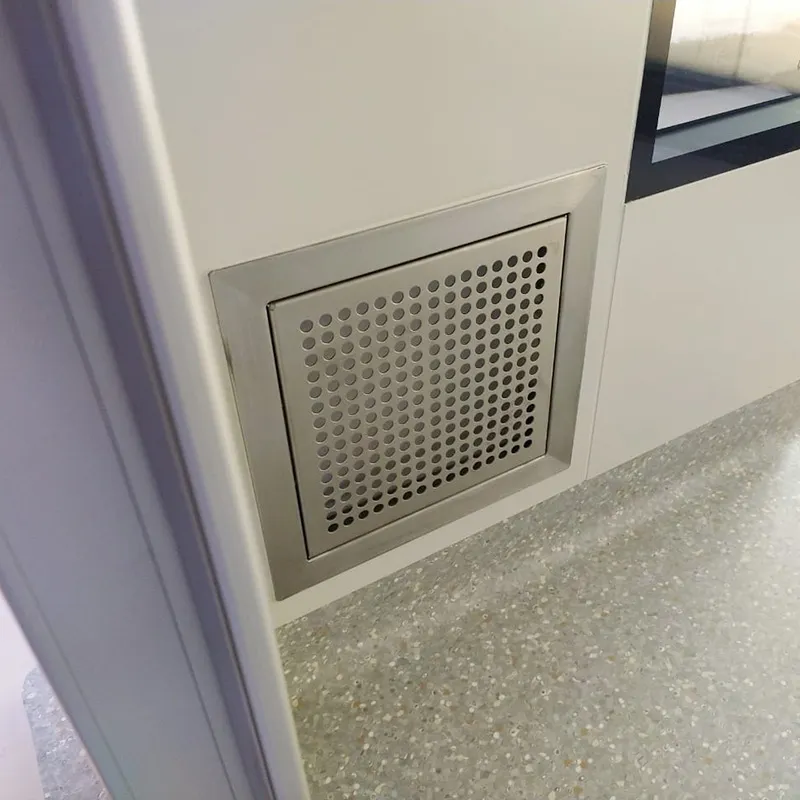
With over two decades of hands-on experience delivering cleanroom solutions across semiconductor fabs, biologics manufacturing suites, aerospace assembly bays, and high-precision optical labs, we understand that a cleanroom panel is never just a wall or ceiling component—it’s a calibrated interface between environment, process, and people. The ventilate sandwich panel reflects that philosophy: a purpose-built, airflow-integrated structural panel designed not only to meet ISO 14644-1 Class 3–8 requirements, but to sustain them—year after year—under real-world operational stress.
This panel bridges the gap between traditional rigid construction and agile deployment needs. It integrates passive ventilation channels within its core—without compromising structural integrity or surface flatness—enabling seamless integration with laminar flow systems, HEPA/ULPA plenums, and pressure-differential management. Unlike retrofit solutions, it eliminates post-installation ductwork compromises and reduces thermal bridging at junctions. As a trusted cleanroom panel manufacturer and cleanroom panel supplier, we design for installability, serviceability, and long-term validation stability—not just first-pass certification.
Our clients in Spain—including wafer probe facilities in Kulim, sterile fill-finish lines in Penang, and EV battery module cleanrooms in Johor—are increasingly selecting Spain modular cleanroom systems for their speed-to-operation and lifecycle cost control. These systems rely on consistent, traceable panel performance—and the ventilate sandwich panel delivers that foundation. Whether you’re specifying for a new Spain prefabricated cleanrooms project (Spain prefabricated cleanrooms) or upgrading an existing controlled environment, this panel supports both scalability and regulatory continuity.
| Parameter | Specification |
|---|---|
| Core Material | Non-combustible mineral wool (A2-s1,d0 Euroclass) or PIR with low smoke toxicity |
| Face Sheets | 0.5–1.0 mm stainless steel (304/316), HPL, or anodized aluminum — fully bonded |
| Panel Thickness | 50 mm, 75 mm, 100 mm (standard); custom up to 150 mm |
| Ventilation Channel | Integrated 12–18 mm continuous channel (horizontal or vertical orientation); sealed periphery with gasketed flange |
| Thermal Conductivity (U-value) | ≤ 0.28 W/m²K (at 100 mm thickness) |
| Fire Performance | EN 13501-1 A2-s1,d0 (non-combustible); ASTM E84 Class A |
| Surface Finish Options | Electropolished SS, HPL laminate (including anti-microbial variants), epoxy-coated aluminum |
| Joint System | Tongue-and-groove with continuous silicone seal; optional concealed fastening |
These specifications reflect field-proven tolerances—not lab ideals. For example, our HPL sandwich panel variants undergo accelerated humidity cycling (85% RH, 60°C, 1,000 hrs) and chemical resistance testing against IPA, hydrogen peroxide vapor, and citric acid—critical for biomedical and life science applications where surface degradation risks particle shedding. As an HPL sandwich panel Factory, we control lamination pressure, dwell time, and edge sealing protocols to eliminate delamination risk. The term hpl sandwich pane (note spelling variation) appears in regional procurement specs—so we ensure full compatibility with local QA checklists and third-party verification protocols. Likewise, hpl sandwichpaneel is supported with Dutch-language documentation for multinational engineering teams coordinating from Kuala Lumpur to Eindhoven.
In semiconductor & electronics manufacturing, airflow uniformity at sub-micron levels demands zero turbulence at wall-ceiling transitions. Our Modular cleanroom ceiling panels (Modular cleanroom ceiling panels) integrate directly with the ventilate sandwich panel to form continuous, flush-mounted plenum interfaces—eliminating shadow zones behind FFUs. This is why leading backend test facilities in槟城 (Penang) specify our system for Class 1–5 mini-environments.
For biopharma and cell therapy suites, surface hygiene and cleanability are non-negotiable. Our clean room sandwich panel uses welded-seam stainless steel faces with radius corners (R10 min) and NSF/ISO 14644-1 compliant joint detailing. As a clean room sandwich panel factory, we provide full material traceability—batch numbers, coating certificates, and weld log reports—required for FDA and MDA submissions. The Clean room sandwich wall configuration supports integrated utility chases (gas, data, vacuum) without breaking the clean envelope.
Across aerospace, precision optics, and EV battery production, thermal stability and vibration damping matter as much as particulate control. Our panels achieve ≤0.02 mm/m flatness tolerance over 3 m spans—verified by laser interferometry—and maintain dimensional stability across -20°C to +50°C ambient swings. In food & beverage Grade A packaging rooms, the HPL sandwich panel Design includes sloped tops and coved bases to prevent condensate pooling—validated under Spainn tropical humidity conditions.
Data centers and new energy control rooms benefit from the panel’s dual role: structural enclosure + passive thermal management. Ventilation channels route low-velocity air behind server racks or battery racks, reducing localized hot spots without adding active fans. And for automotive manufacturing, where rapid reconfiguration is standard, the cleanroom panel’s boltless, tool-free interlocking system cuts re-layout time by >60% versus traditional stick-built walls.
We are not a local distributor—we are the cleanroom panel manufacturer behind the specification. Every clean room sandwich panel carries our engineering signature: tested, documented, and deployed where reliability isn’t aspirational—it’s auditable.
Contact us today for a free quote.